Riverside Roofing ContractorCorona Roofing ContractorInland Empire Roofing ContractorNorco Roofing ContractorChino Hills Roofing ContractorYorba Linda Roofing ContractorOrange County Roof Contractor |
||||

|
Call Us Today!
714-996-7557
562-533-3864
951-898-8696
|
 Residential Apartments Shingle/Tile Roofs Residential Apartments Shingle/Tile Roofs |
||

|
||||

|
||||
Placentia Roofer
Bellflower, Buena Park, Chino, Chino Hills, Coto de Caza, Santa Ana Roofing
Costa Mesa, Cypress, Downey, Fullerton, Garden Grove, La Habra Heights, La Mirada, Lakewood Roofing
Long Beach, Los Alamitos, Newport Beach, Orange, Palos Verdes, Tustin, Villa Park Roofing
Villa Park, Laguna Beach, Yorba Linda, Newport Beach, North Tustin, Laguna Niguel
Irvine, Laguna Hills, Ladera Ranch, Dana Point, Rossmoor, Rancho Santa Margarita, Cerritos Roofing
Mission Viejo, Aliso Viejo, San Juan Capistrano, West Garden Grove, La Palma, Cypress
Huntington Beach, Fountain Valley, Lake Forest, Brea, Seal Beach, Westminister, San Clemente, Corona Roofing
Placentia, Bellflower, Anaheim, Fullerton, Garden Gove Roofing

Yorba Linda Roofing
Quality Orange County Roofing, Villa Park roofing, Anaheim Hills roofing


714-996-7557
562-533-3864
Leaky Roof? Here’s How Expert Resealing of Vents and Pipes Can Protect Your Home
April 27, 2026A leaking roof is one of the most stressful problems a homeowner can face. Even a small leak can quickly lead to water damage, mold growth, insulation issues, and structural deterioration. While many people assume roof leaks always come from missing shingles or storm damage, a significant number actually originate from weak points around roof penetrations especially vents and pipes.
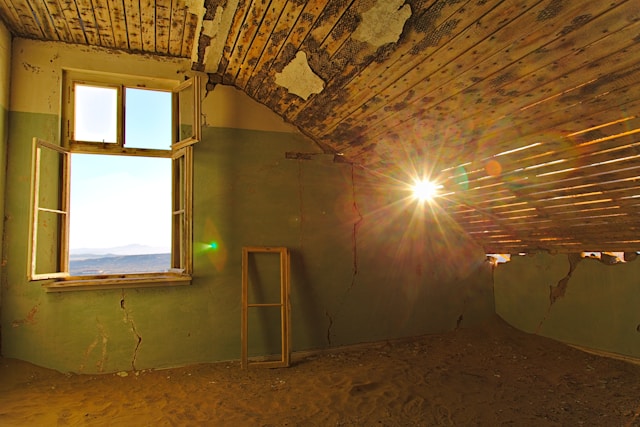
This article, “Leaky Roof? Here’s How Expert Resealing of Vents and Pipes Can Protect Your Home,” explains why these areas are so vulnerable, how professional resealing works, and why timely maintenance can save homeowners thousands of dollars in repairs.
Why Roof Leaks Often Start at Vents and Pipes
Most roofs are not single, uninterrupted surfaces. They are full of penetrations that allow ventilation, plumbing, and exhaust systems to function properly. These include:
- Plumbing vent pipes
- Bathroom exhaust vents
- Kitchen exhaust outlets
- HVAC penetrations
- Roof vent stacks
Each penetration requires a seal to prevent water from entering the home. Over time, these seals can degrade due to weather exposure, temperature changes, and natural material aging.
Common causes of failure include:
- UV damage from constant sun exposure
- Expansion and contraction due to heat and cold
- Cracked rubber boots or flashing
- Improper initial installation
- Aging sealants and caulking
- Storm damage or debris impact
Once these seals weaken, water can slowly seep into the roof structure, often going unnoticed until significant damage occurs.
Early Warning Signs of Roof Penetration Leaks
Identifying a leak early can make a huge difference in repair costs and home safety.
Warning signs include:
- Water stains on ceilings or walls
- Musty odors in attic spaces
- Damp insulation near roof openings
- Visible rust around vent pipes
- Dripping sounds during rain
- Mold growth in upper interior areas
If any of these symptoms appear, it is likely that water is entering through compromised vent or pipe seals.
Why Vents and Pipes Are High-Risk Areas
Roof penetrations are naturally vulnerable because they interrupt the uniform surface of the roof. Unlike shingles, which overlap and shed water efficiently, vents and pipes rely on seals that can deteriorate over time.
Key reasons these areas fail:
- Constant exposure to moving air and moisture
- Smaller surface area for protection
- Complex installation points
- Difficulty in inspecting without professional tools
- Higher likelihood of maintenance neglect
Because of these factors, vents and pipes are often the first places where leaks develop.
How Expert Resealing Works
Professional roof resealing is a detailed process that goes beyond simple patchwork. It involves inspection, preparation, sealing, and reinforcement to ensure long-term protection.
Step-by-step process:
- Full roof inspection
- Identify all vent and pipe penetration points
- Check for visible cracks or damage
- Assess surrounding shingles and flashing
- Cleaning the area
- Remove debris, dirt, and old sealant
- Ensure a clean surface for bonding
- Removing damaged components
- Replace cracked rubber boots or flashing if needed
- Strip deteriorated caulking or sealant
- Applying professional-grade sealant
- Use weather-resistant roofing sealants
- Ensure full coverage around the base of pipes and vents
- Reinforcing with protective materials
- Install new flashing or protective covers
- Secure all edges to prevent water intrusion
- Final inspection and testing
- Confirm proper sealing
- Check for gaps or weak points
This process ensures that vulnerable areas are fully protected against future leaks.
Benefits of Resealing Vents and Pipes
Proper resealing provides both immediate and long-term benefits for homeowners.
Key advantages include:
- Prevents water intrusion
- Extends roof lifespan
- Reduces risk of mold and mildew
- Protects insulation and attic structures
- Improves energy efficiency
- Lowers long-term repair costs
By addressing small vulnerabilities early, homeowners can avoid major structural damage later.
Comparison: DIY vs Professional Resealing
While some homeowners attempt DIY roof repairs, vent and pipe resealing often requires professional expertise.
| Factor | DIY Approach | Professional Resealing |
|---|---|---|
| Inspection accuracy | Limited | Thorough and detailed |
| Materials used | Basic sealants | Industrial-grade materials |
| Safety | Risk of falls/injury | Trained and insured technicians |
| Longevity of repair | Short-term | Long-lasting protection |
| Cost efficiency | Lower upfront | Saves money long-term |
| Risk of missed damage | High | Minimal |
While DIY repairs may seem cheaper, they often fail to address underlying issues, leading to repeated leaks and higher long-term costs.
How Weather Impacts Roof Penetrations
Weather is one of the biggest factors affecting roof durability, especially around vents and pipes.
Key weather-related risks:
- Heavy rain leading to water pooling
- High winds loosening flashing or seals
- UV exposure degrading rubber components
- Temperature fluctuations causing expansion and contraction
- Snow and ice buildup increasing pressure on seals
Homes in areas with frequent weather changes are especially vulnerable to seal deterioration.
The Role of Regular Roof Maintenance
Preventive maintenance is the best way to avoid costly roof repairs. Many homeowners only address roof issues after leaks occur, but regular inspections can prevent most problems.
Recommended maintenance practices:
- Annual roof inspections
- Seasonal checks after storms
- Clearing debris from roof surfaces
- Checking attic for moisture signs
- Re-sealing vulnerable areas proactively
Routine maintenance helps extend the life of the entire roofing system.
Cost of Ignoring Small Leaks
One of the biggest mistakes homeowners make is ignoring minor leaks around vents and pipes. What starts as a small issue can quickly escalate into major damage.
Potential consequences include:
- Structural wood rot
- Damaged insulation
- Mold remediation costs
- Ceiling and drywall replacement
- Electrical system risks
- Full roof replacement in severe cases
Early resealing is significantly more affordable than repairing long-term water damage.
Why Professional Roofing Expertise Matters
Roofing systems are complex, and improper repairs can sometimes worsen the problem. Professional roofers bring experience, proper tools, and industry-grade materials to ensure lasting results.
Experienced contractors typically:
- Identify hidden leak sources
- Use durable, weather-resistant materials
- Ensure compliance with roofing standards
- Provide long-term warranties on work
- Offer preventative maintenance advice
This level of expertise significantly reduces the risk of recurring leaks.
How Resealing Improves Home Value
A well-maintained roof is a major factor in property value. Buyers and inspectors closely examine roofing condition during real estate transactions.
Benefits for homeowners include:
- Increased property value
- Better home inspection results
- Higher buyer confidence
- Reduced negotiation issues during sale
- Improved energy efficiency ratings
Maintaining roof integrity is a smart investment for long-term property value.
Signs It’s Time to Call a Professional
Homeowners should not wait until a major leak occurs. Early intervention is key.
You should contact a roofing professional if:
- You notice water stains indoors
- Roof vents show visible wear
- You smell mold or dampness in the attic
- Your roof is over 10–15 years old
- You recently experienced a major storm
Prompt action can prevent minor issues from becoming major repairs.
Final Thoughts
Vents and pipes are among the most vulnerable parts of any roofing system, but they are also some of the most overlooked. Proper resealing is a simple yet highly effective way to prevent leaks, protect structural integrity, and extend the life of your roof.
The topic “Leaky Roof? Here’s How Expert Resealing of Vents and Pipes Can Protect Your Home” highlights the importance of proactive maintenance and professional care. By addressing weak points early, homeowners can avoid expensive repairs and ensure their homes remain safe, dry, and structurally sound for years to come.