Riverside Roofing ContractorCorona Roofing ContractorInland Empire Roofing ContractorNorco Roofing ContractorChino Hills Roofing ContractorYorba Linda Roofing ContractorOrange County Roof Contractor |
||||

|
Call Us Today!
714-996-7557
562-533-3864
951-898-8696
|
 Residential Apartments Shingle/Tile Roofs Residential Apartments Shingle/Tile Roofs |
||

|
||||

|
||||
Placentia Roofer
Bellflower, Buena Park, Chino, Chino Hills, Coto de Caza, Santa Ana Roofing
Costa Mesa, Cypress, Downey, Fullerton, Garden Grove, La Habra Heights, La Mirada, Lakewood Roofing
Long Beach, Los Alamitos, Newport Beach, Orange, Palos Verdes, Tustin, Villa Park Roofing
Villa Park, Laguna Beach, Yorba Linda, Newport Beach, North Tustin, Laguna Niguel
Irvine, Laguna Hills, Ladera Ranch, Dana Point, Rossmoor, Rancho Santa Margarita, Cerritos Roofing
Mission Viejo, Aliso Viejo, San Juan Capistrano, West Garden Grove, La Palma, Cypress
Huntington Beach, Fountain Valley, Lake Forest, Brea, Seal Beach, Westminister, San Clemente, Corona Roofing
Placentia, Bellflower, Anaheim, Fullerton, Garden Gove Roofing

Yorba Linda Roofing
Quality Orange County Roofing, Villa Park roofing, Anaheim Hills roofing


714-996-7557
562-533-3864
How Regular Roof Maintenance Prevents Dry Rot & Termite Damage in Riverside Homes
February 23, 2026Riverside homeowners face unique environmental conditions that can quietly damage their roofs over time. From intense summer heat and UV exposure to seasonal rains and Santa Ana winds, Southern California’s climate creates the perfect combination of moisture intrusion and structural stress. When left unchecked, these issues can lead to two costly and destructive problems: dry rot and termite damage.
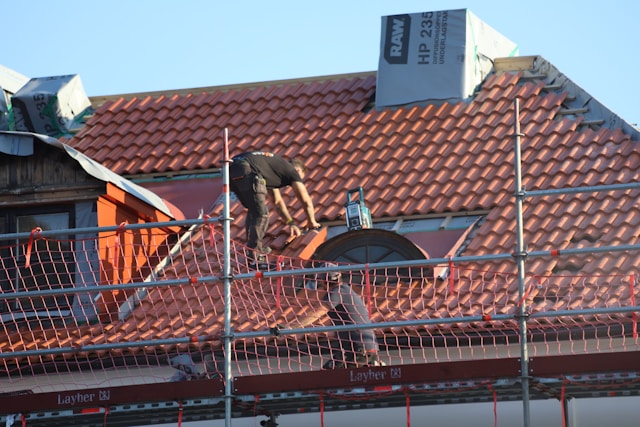
Regular roof maintenance is one of the most effective ways to prevent these issues before they compromise your home’s structure. For homeowners in Riverside and surrounding Inland Empire communities, understanding how roof systems fail—and how preventative maintenance protects them—can save thousands of dollars in repairs.
Understanding Dry Rot in Riverside Homes
Despite its name, dry rot is not caused by dryness. It is actually a fungal decay of wood triggered by moisture intrusion. When water enters the roofing system—through cracked tiles, lifted shingles, damaged flashing, clogged valleys, or improperly sealed vents—it creates damp conditions in the underlying wood decking and support structures.
In Riverside, roof moisture often results from:
- Broken or slipped roof tiles
- Worn or curled asphalt shingles
- Blocked gutters and roof valleys
- Cracked pipe boots or vent seals
- Poor attic ventilation
- Aging underlayment
Once moisture becomes trapped, fungus begins breaking down the wood’s cellular structure. Over time, wood becomes brittle, weak, and structurally unsound.
Early Warning Signs of Dry Rot
- Soft or spongy roof decking
- Sagging rooflines
- Cracked or flaking wood in the attic
- Water stains on ceilings
- Musty odors
By the time these signs are visible indoors, the damage may already be extensive.
How Termites Exploit Roofing Weaknesses
Subterranean termites are common throughout Riverside County. While they typically enter homes through the foundation, moisture-damaged wood in roofing structures becomes an attractive secondary feeding source.
Here’s how roofing problems invite termite damage:
- Moisture softens wood fibers, making them easier to consume.
- Cracks in fascia boards or roof decking provide hidden entry points.
- Damaged eaves and soffits create undisturbed nesting areas.
- Untreated dry rot creates a weakened structural environment.
In many cases, homeowners discover termite damage only after structural components require replacement.
Why Riverside’s Climate Increases Risk
Riverside’s weather patterns contribute significantly to roofing deterioration:
- High heat accelerates shingle aging and seal breakdown.
- Occasional heavy rains expose weaknesses in flashing and valleys.
- Strong winds lift tiles and shingles, creating entry points for water.
- Temperature swings cause expansion and contraction of roofing materials.
Because these conditions repeat year after year, small vulnerabilities quickly turn into serious structural concerns.
The Role of Regular Roof Maintenance
Preventative maintenance identifies and resolves small issues before they lead to rot or infestation. A professional maintenance program focuses on inspection, cleaning, sealing, and minor repairs.
Key Maintenance Components and Their Protective Benefits
| Maintenance Service | Problem Prevented | Long-Term Benefit |
|---|---|---|
| Full Roof Inspection | Undetected cracks, lifted shingles, broken tiles | Early detection before structural damage |
| Ridge Inspection | Gaps allowing water intrusion | Prevents hidden moisture buildup |
| Gutter & Valley Cleaning | Water pooling and overflow | Reduces risk of wood rot and fascia damage |
| Resealing Pipe Vents | Water leaks around penetrations | Protects roof decking from fungal growth |
| Flashing Inspection & Repair | Leaks at roof transitions | Preserves structural framing |
| Dry Rot Repair | Spread of wood decay | Maintains structural integrity |
| Termite-Damaged Wood Replacement | Structural weakening | Prevents further infestation |
Each of these services plays a role in keeping moisture out—the primary cause of both dry rot and termite activity.
How Roof Inspections Catch Problems Early
A thorough roof inspection goes far beyond a surface glance. Experienced roofing professionals examine:
- Tile or shingle condition
- Underlayment integrity
- Flashing around chimneys and valleys
- Roof penetrations (vents, skylights, pipes)
- Fascia and eaves
- Attic ventilation and moisture levels
In Riverside homes, tile roofs are especially common. While tile is durable, the underlayment beneath it can deteriorate over time. Without periodic inspections, homeowners may not realize water is seeping beneath the surface.
Early identification allows for minor repairs rather than full structural replacement.
The Hidden Cost of Ignoring Maintenance
Many homeowners delay maintenance because their roof “looks fine.” However, roof damage often develops beneath the surface.
Financial Risks of Neglect
- Replacing rotted roof decking
- Structural beam replacement
- Termite treatment and wood repairs
- Interior ceiling and drywall damage
- Full roof replacement due to widespread decay
A minor resealing service may cost a fraction of what structural repairs require. Preventative maintenance is significantly more affordable than emergency reconstruction.
Gutter and Valley Cleaning: A Simple but Critical Step
Inland Empire homes collect debris such as leaves, dust, and roofing granules. When gutters and valleys become clogged:
- Water backs up under shingles or tiles.
- Fascia boards remain constantly wet.
- Moisture seeps into the roof deck.
Consistent cleaning ensures proper drainage and reduces the likelihood of fungal growth.
Resealing Vents and Roof Penetrations
Roof penetrations are common leak points. Over time, sealants around pipe vents and flashing dry out due to sun exposure.
Cracked seals allow rainwater to seep into wood decking. Resealing these areas:
- Prevents hidden leaks
- Protects attic insulation
- Stops moisture before it spreads
In Riverside’s hot climate, sealants degrade faster than in cooler regions, making regular inspections especially important.
Repairing Dry Rot Before It Spreads
Dry rot spreads beyond the original moisture source. Once fungal growth begins, it can move through wood fibers and affect adjacent framing.
Professional repair typically involves:
- Identifying and stopping the moisture source
- Removing compromised wood
- Replacing with treated lumber
- Sealing and reinforcing the area
Addressing the issue early prevents the need for large-scale structural replacement.
Fire-Safe and Energy-Efficient Roofing Considerations
Many Riverside homeowners are upgrading to fire-safe roofing systems due to increasing wildfire risks. Modern tile and shingle systems not only provide fire resistance but also improve ventilation and moisture control.
Energy-efficient roofing also plays a role in moisture management:
- Proper attic ventilation reduces condensation buildup.
- Reflective materials minimize temperature swings.
- Balanced airflow prevents trapped humidity.
When roofs are installed or maintained correctly, they contribute to both structural health and energy efficiency.
How Often Should Riverside Homeowners Schedule Maintenance?
For most homes in Riverside:
- Annual roof inspections are recommended.
- After severe wind or rainstorms, an additional inspection is wise.
- Homes older than 15 years may benefit from biannual checkups.
Tile roofs may appear durable, but the underlayment beneath typically has a lifespan of 20–30 years depending on quality and exposure. Monitoring its condition is essential.
The Importance of Local Experience
Roofing in Southern California differs from roofing in other regions. Riverside homes require contractors who understand:
- Local building codes
- Regional weather patterns
- Common termite species
- Proper ventilation for hot climates
- Tile and shingle performance in high-heat environments
Local experience ensures maintenance is tailored to the specific environmental challenges homeowners face.
Protecting Your Investment
Your roof is more than a protective covering—it is a structural system that supports the integrity of your entire home. Dry rot and termite damage compromise that system silently and progressively.
Regular maintenance provides:
- Early detection of hidden moisture
- Structural preservation
- Lower lifetime repair costs
- Improved home value
- Peace of mind during storm seasons
Preventative care is always more affordable than reactive repairs.
Final Thoughts
Riverside’s climate creates ideal conditions for moisture-related roof damage. When small vulnerabilities are ignored, they can lead to extensive dry rot and termite infestations that threaten the structural integrity of your home.
The solution is not complicated—but it requires consistency.
Routine roof inspections, gutter cleaning, resealing vents, and repairing minor damage prevent moisture from taking hold. By addressing small issues early, homeowners protect their roofing system, extend its lifespan, and avoid costly structural repairs.
In a region where heat, wind, and seasonal rain constantly test your roof’s durability, proactive maintenance is not optional—it is essential.