Riverside Roofing ContractorCorona Roofing ContractorInland Empire Roofing ContractorNorco Roofing ContractorChino Hills Roofing ContractorYorba Linda Roofing ContractorOrange County Roof Contractor |
||||

|
Call Us Today!
714-996-7557
562-533-3864
951-898-8696
|
 Residential Apartments Shingle/Tile Roofs Residential Apartments Shingle/Tile Roofs |
||

|
||||

|
||||
Placentia Roofer
Bellflower, Buena Park, Chino, Chino Hills, Coto de Caza, Santa Ana Roofing
Costa Mesa, Cypress, Downey, Fullerton, Garden Grove, La Habra Heights, La Mirada, Lakewood Roofing
Long Beach, Los Alamitos, Newport Beach, Orange, Palos Verdes, Tustin, Villa Park Roofing
Villa Park, Laguna Beach, Yorba Linda, Newport Beach, North Tustin, Laguna Niguel
Irvine, Laguna Hills, Ladera Ranch, Dana Point, Rossmoor, Rancho Santa Margarita, Cerritos Roofing
Mission Viejo, Aliso Viejo, San Juan Capistrano, West Garden Grove, La Palma, Cypress
Huntington Beach, Fountain Valley, Lake Forest, Brea, Seal Beach, Westminister, San Clemente, Corona Roofing
Placentia, Bellflower, Anaheim, Fullerton, Garden Gove Roofing

Yorba Linda Roofing
Quality Orange County Roofing, Villa Park roofing, Anaheim Hills roofing


714-996-7557
562-533-3864
Reroofing & Roof Repair Decision Guide: Choosing the Right Contractor and Strategy
March 27, 2026A home’s roof is one of its most critical structural components, protecting everything beneath it from weather, moisture, and environmental damage. Over time, however, roofs inevitably experience wear and tear, leaving homeowners with an important question: should they repair or replace their roof? Reroofing & Roof Repair Decision Guide: Choosing the Right Contractor and Strategy provides a comprehensive framework for making informed decisions that balance cost, durability, and long-term value.
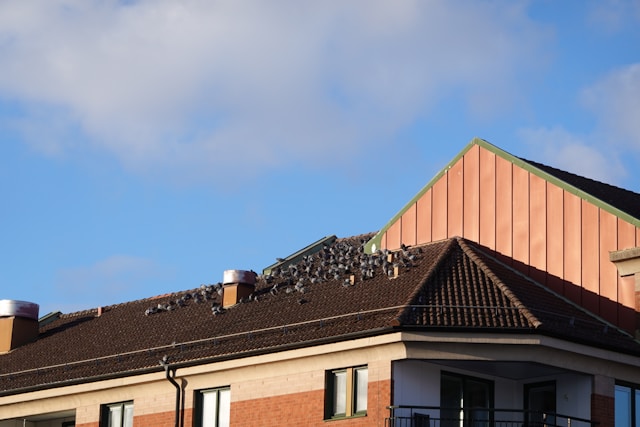
Understanding when to repair and when to reroof is essential for avoiding unnecessary expenses and ensuring the longevity of a home. With proper guidance, homeowners can confidently choose the right strategy and contractor to achieve optimal results.
Understanding Roof Damage and Its Impact
Roof damage can occur in many forms, ranging from minor cosmetic issues to severe structural problems. Identifying the type and extent of damage is the first step in determining the appropriate course of action.
Common Types of Roof Damage
- Leaks: Often caused by damaged flashing, broken shingles, or clogged gutters.
- Cracked or Missing Shingles: Result from aging, weather exposure, or poor installation.
- Dry Rot: A form of wood decay caused by prolonged moisture exposure.
- Termite Damage: Structural weakening due to pest infestation.
Each type of damage requires a different approach. Minor issues may be resolved with targeted repairs, while more extensive damage may necessitate a full reroofing project.
Repair vs. Reroofing: Making the Right Choice
One of the central aspects of Reroofing & Roof Repair Decision Guide: Choosing the Right Contractor and Strategy is understanding when to repair and when to replace.
When Roof Repair Is Sufficient
Roof repair is typically appropriate for localized or minor issues, such as:
- Small leaks confined to a specific area
- A few damaged or missing shingles
- Minor flashing or sealant problems
Targeted repairs and sealing can extend the life of the roof without the need for a full replacement. This approach is cost-effective and less disruptive.
When Reroofing Is Necessary
Reroofing becomes necessary when damage is widespread or structural integrity is compromised. Common indicators include:
- Extensive leaks across multiple areas
- Significant shingle deterioration
- Evidence of dry rot or termite damage
- Roof nearing the end of its lifespan
Severe damage requires a comprehensive solution, making reroofing the most practical and long-term option.
The Role of Professional Consultation
Seeking expert advice is crucial in making the right decision. Companies like Scurrah’s Roofing specialize in evaluating roof conditions and providing recommendations based on thorough inspections.
Professional consultations help homeowners:
- Accurately assess the extent of damage
- Avoid unnecessary full replacements
- Identify underlying structural issues
- Develop a cost-effective plan of action
Early guidance from experienced professionals can save both time and money, ensuring that the chosen solution aligns with the home’s needs.
Roofing Materials and Their Influence on Decisions
The choice of roofing materials plays a significant role in both repair and reroofing decisions. Different materials offer varying levels of durability, cost, and aesthetic appeal.
Common Roofing Materials
- Asphalt Shingles: Affordable and widely used, with moderate durability.
- Tile Roofing: Highly durable and visually appealing, often used in warmer climates.
- Metal Roofing: Long-lasting, energy-efficient, and resistant to extreme weather conditions.
Selecting the right material requires consideration of climate, budget, and long-term performance. While some materials have higher upfront costs, they often provide greater durability and lower maintenance expenses over time.
Home Improvement ROI and Roof Upgrades
Roofing projects are among the highest-return home improvements. Investing in reroofing or high-quality repairs can significantly increase property value and energy efficiency.
Benefits of Roof Upgrades
- Enhanced Resale Value: A new or well-maintained roof is a major selling point.
- Improved Energy Efficiency: Modern materials help regulate indoor temperatures.
- Reduced Maintenance Costs: Durable materials minimize the need for frequent repairs.
By following the principles outlined in Reroofing & Roof Repair Decision Guide: Choosing the Right Contractor and Strategy, homeowners can maximize their return on investment while improving the overall performance of their homes.
Contractor Selection: A Critical Factor
Choosing the right contractor is one of the most important decisions in any roofing project. The quality of workmanship directly impacts the durability and effectiveness of the roof.
Key Factors in Contractor Selection
- Licensing and Insurance: Ensures compliance with regulations and protects against liability.
- Experience and Expertise: Demonstrates the contractor’s ability to handle various roofing projects.
- Inspection Quality: A thorough inspection is essential for accurate assessment and planning.
- Warranties: Provides assurance of quality and long-term support.
Contractor expertise determines not only the success of the project but also the longevity of the roof. Working with reputable professionals reduces the risk of errors and costly rework.
Best Practices for Decision-Making
To achieve the best outcomes, homeowners should follow proven best practices when evaluating roofing options.
Get a Comprehensive Inspection
Before making any decisions, it is essential to conduct a full roof inspection. This helps identify all existing issues and provides a clear understanding of the roof’s condition.
Compare Multiple Contractor Assessments
Obtaining at least two to three professional opinions ensures a well-rounded perspective. This allows homeowners to compare recommendations, costs, and proposed solutions.
Verify Credentials and Warranties
Always confirm that contractors are properly licensed and insured. Reviewing warranties also ensures that the investment is protected.
Focus on Long-Term Value
While upfront cost is important, long-term durability should be the primary consideration. Investing in high-quality materials and workmanship often results in lower overall costs.
Common Mistakes to Avoid
Homeowners often make avoidable mistakes when dealing with roofing decisions. Being aware of these pitfalls can help prevent costly errors.
Choosing the Lowest Bid
Selecting a contractor based solely on price can lead to poor workmanship and substandard materials. Low bids may result in higher costs in the long run due to repairs and rework.
Ignoring Underlying Issues
Focusing only on visible damage can overlook deeper structural or moisture problems. Addressing these issues is essential for ensuring a lasting solution.
Skipping Inspections
Failing to conduct a proper inspection before reroofing can result in incomplete or ineffective repairs. Inspections are a critical step in the decision-making process.
The Long-Term Value of Strategic Roofing Decisions
Making informed decisions about roof repair and reroofing offers numerous long-term benefits:
- Extended Roof Lifespan: Proper maintenance and timely upgrades ensure durability.
- Cost Savings: Avoiding unnecessary replacements and addressing issues early reduces expenses.
- Improved Home Protection: A strong roof safeguards the entire structure.
- Increased Property Value: High-quality roofing enhances market appeal.
By following Reroofing & Roof Repair Decision Guide: Choosing the Right Contractor and Strategy, homeowners can achieve a balance between cost efficiency and long-term performance.
Conclusion
Reroofing & Roof Repair Decision Guide: Choosing the Right Contractor and Strategy serves as a comprehensive roadmap for homeowners navigating roofing decisions. By understanding the differences between repair and reroofing, evaluating damage accurately, and selecting the right contractor, homeowners can make informed choices that protect their investments.
From identifying damage types to selecting durable materials and avoiding common mistakes, every step in the process contributes to the success of the project. Professional guidance, thorough inspections, and a focus on long-term value are essential for achieving optimal results.
Ultimately, a well-maintained or properly replaced roof not only enhances the safety and efficiency of a home but also provides peace of mind for years to come.