Riverside Roofing ContractorCorona Roofing ContractorInland Empire Roofing ContractorNorco Roofing ContractorChino Hills Roofing ContractorYorba Linda Roofing ContractorOrange County Roof Contractor |
||||

|
Call Us Today!
714-996-7557
562-533-3864
951-898-8696
|
 Residential Apartments Shingle/Tile Roofs Residential Apartments Shingle/Tile Roofs |
||

|
||||

|
||||
Placentia Roofer
Bellflower, Buena Park, Chino, Chino Hills, Coto de Caza, Santa Ana Roofing
Costa Mesa, Cypress, Downey, Fullerton, Garden Grove, La Habra Heights, La Mirada, Lakewood Roofing
Long Beach, Los Alamitos, Newport Beach, Orange, Palos Verdes, Tustin, Villa Park Roofing
Villa Park, Laguna Beach, Yorba Linda, Newport Beach, North Tustin, Laguna Niguel
Irvine, Laguna Hills, Ladera Ranch, Dana Point, Rossmoor, Rancho Santa Margarita, Cerritos Roofing
Mission Viejo, Aliso Viejo, San Juan Capistrano, West Garden Grove, La Palma, Cypress
Huntington Beach, Fountain Valley, Lake Forest, Brea, Seal Beach, Westminister, San Clemente, Corona Roofing
Placentia, Bellflower, Anaheim, Fullerton, Garden Gove Roofing

Yorba Linda Roofing
Quality Orange County Roofing, Villa Park roofing, Anaheim Hills roofing


714-996-7557
562-533-3864
Top Signs You Need a Roof Repair in Corona, CA (Expert Guide by Scurrah’s Roofing)
April 20, 2026Your roof is one of the most important components of your home, yet it’s often overlooked until something goes wrong. In places like Corona, CA, where homes face intense sun exposure, seasonal rains, and occasional wind events, roof damage can develop faster than many homeowners expect.
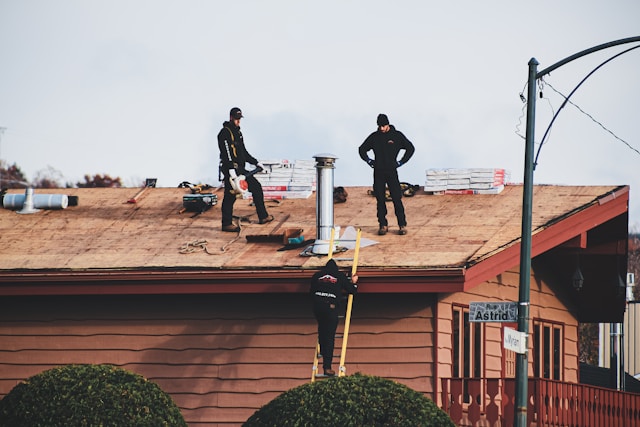
With over 30 years of hands-on experience, Scurrah’s Roofing has seen firsthand how small roofing issues can quickly turn into expensive repairs if left unaddressed. Understanding the early warning signs can save you thousands of dollars and protect your home’s structural integrity.
This guide breaks down the top signs you need roof repair, what causes them, and what actions you should take.
Why Early Roof Repair Matters
Roof damage rarely starts as a major problem. It often begins with small, subtle issues—like a cracked shingle or minor seal failure. Over time, these issues allow moisture to penetrate your roofing system, leading to:
- Wood rot
- Mold and mildew growth
- Insulation damage
- Interior ceiling stains
- Structural deterioration
In Southern California, heat and UV exposure accelerate wear and tear, making preventive maintenance and early detection critical.
1. Visible Roof Leaks or Water Stains
One of the most obvious signs of roof damage is water intrusion.
What to Look For:
- Brown or yellow stains on ceilings or walls
- Dripping water during rainstorms
- Bubbling or peeling paint
What It Means:
Water has already penetrated your roofing system. This could be due to:
- Broken or missing shingles
- Damaged flashing
- Worn sealant around vents or pipes
Why It’s Urgent:
Once water enters your home, damage spreads quickly. Even a small leak can lead to mold growth within 24–48 hours.
2. Missing, Cracked, or Curling Shingles
Shingles are your roof’s first line of defense. When they fail, everything beneath is exposed.
Common Causes:
- Prolonged sun exposure (very common in Corona)
- Aging materials
- Wind damage
Signs of Shingle Damage:
- Curling edges
- Cracks or splits
- Bald spots (missing granules)
- Completely missing shingles
Impact:
Damaged shingles reduce your roof’s ability to repel water, increasing the risk of leaks and structural damage.
3. Granules in Gutters or Downspouts
If you notice a sand-like material in your gutters, those are asphalt shingle granules.
Why This Happens:
Granules protect shingles from UV rays. Over time, they wear off due to:
- Sun exposure
- Rain impact
- Aging
Why It Matters:
Without granules, shingles deteriorate faster and lose their protective capabilities.
4. Damaged or Clogged Gutters and Valleys
Your gutter system plays a key role in directing water away from your home.
Warning Signs:
- Overflowing gutters
- Sagging or detached sections
- Debris buildup in valleys
Risks:
Blocked gutters can cause water to back up under your roofline, leading to:
- Fascia damage
- Roof deck rot
- Foundation issues
Routine gutter cleaning and inspection are essential, especially after storms.
5. Cracked or Worn Roof Flashing
Flashing seals the most vulnerable parts of your roof, including:
- Chimneys
- Skylights
- Roof valleys
- Vent pipes
Signs of Flashing Problems:
- Rust or corrosion
- Cracks or gaps
- Loose or lifted sections
Consequences:
Failed flashing is one of the leading causes of roof leaks, especially around penetrations.
6. Roof Sagging or Uneven Areas
A sagging roof is a serious structural concern that should never be ignored.
Possible Causes:
- Water damage to the roof deck
- Poor installation
- Excess weight from debris or moisture
What It Indicates:
This often points to underlying structural damage, not just surface-level issues.
Immediate Action Required:
Contact a professional roofing contractor immediately for inspection.
7. Increased Energy Bills
Your roof plays a major role in your home’s energy efficiency.
Signs to Watch:
- Higher cooling costs during summer
- Uneven indoor temperatures
Root Causes:
- Poor ventilation
- Damaged insulation from leaks
- Aging roofing materials
Energy-efficient roofing solutions can significantly reduce utility costs in hot climates like Southern California.
8. Mold, Moss, or Algae Growth
While moss may seem harmless, it can trap moisture against your roof surface.
Common Indicators:
- Dark streaks
- Green patches
- Musty odors in attic spaces
Risks:
- Moisture retention
- Accelerated material decay
- Health concerns from mold exposure
9. Damaged or Improperly Sealed Roof Vents
Roof penetrations like vents and pipes are common weak points.
Signs of Trouble:
- Cracked vent boots
- Loose seals
- Water pooling around penetrations
Solution:
Professional resealing and maintenance can prevent leaks and extend roof life.
10. Your Roof Is Over 20–25 Years Old
Even if your roof appears fine, age alone can signal the need for repair or replacement.
Typical Lifespan:
- Asphalt shingles: 20–30 years
- Tile roofs: 30–50+ years
Why Age Matters:
Older roofs are more vulnerable to:
- Hidden leaks
- Structural wear
- Energy inefficiency
Roof Repair Warning Signs at a Glance
| Warning Sign | Likely Cause | Risk Level | Recommended Action |
|---|---|---|---|
| Water stains on ceilings | Leaks or flashing failure | High | Immediate inspection |
| Missing or cracked shingles | Weather or aging | High | Repair or replace shingles |
| Granules in gutters | Shingle deterioration | Medium | Schedule inspection |
| Clogged gutters | Debris buildup | Medium | Clean and maintain regularly |
| Damaged flashing | Seal failure | High | Reseal or replace flashing |
| Roof sagging | Structural damage | Critical | Urgent professional repair |
| Rising energy bills | Poor insulation/ventilation | Medium | Evaluate energy efficiency |
| Mold or algae growth | Moisture retention | Medium | Clean and assess damage |
| Damaged vents | Seal deterioration | High | Reseal penetrations |
| Roof age (20+ years) | Natural wear | Medium | Plan inspection or replacement |
Why Homeowners in Corona Trust Experienced Roofing Professionals
Roof repair isn’t just about fixing visible damage—it’s about identifying underlying issues before they escalate. Experienced contractors like Scurrah’s Roofing focus on:
- Full roof inspections
- Ridge and structural assessments
- Gutter and valley cleaning
- Resealing vents and penetrations
- Long-term durability solutions
Their expertise in shingle and tile roofing systems, combined with a focus on energy-efficient and fire-safe materials, makes a significant difference in both performance and longevity.
Preventive Maintenance Tips
To extend the life of your roof and avoid costly repairs:
- Schedule annual roof inspections
- Clean gutters regularly
- Trim overhanging tree branches
- Check attic ventilation
- Address minor issues immediately
Preventive care is always more affordable than major repairs.
Final Thoughts
Roof problems don’t fix themselves—they get worse over time. The key is recognizing the early warning signs and acting quickly.
Whether it’s a minor repair or a more serious issue, addressing roofing problems early can:
- Protect your home
- Save money
- Improve energy efficiency
- Extend the lifespan of your roof
If you notice any of these signs in your Corona home, it’s time to take action. A professional inspection can give you clarity, prevent further damage, and ensure your roof continues to do its job—protecting everything underneath it.